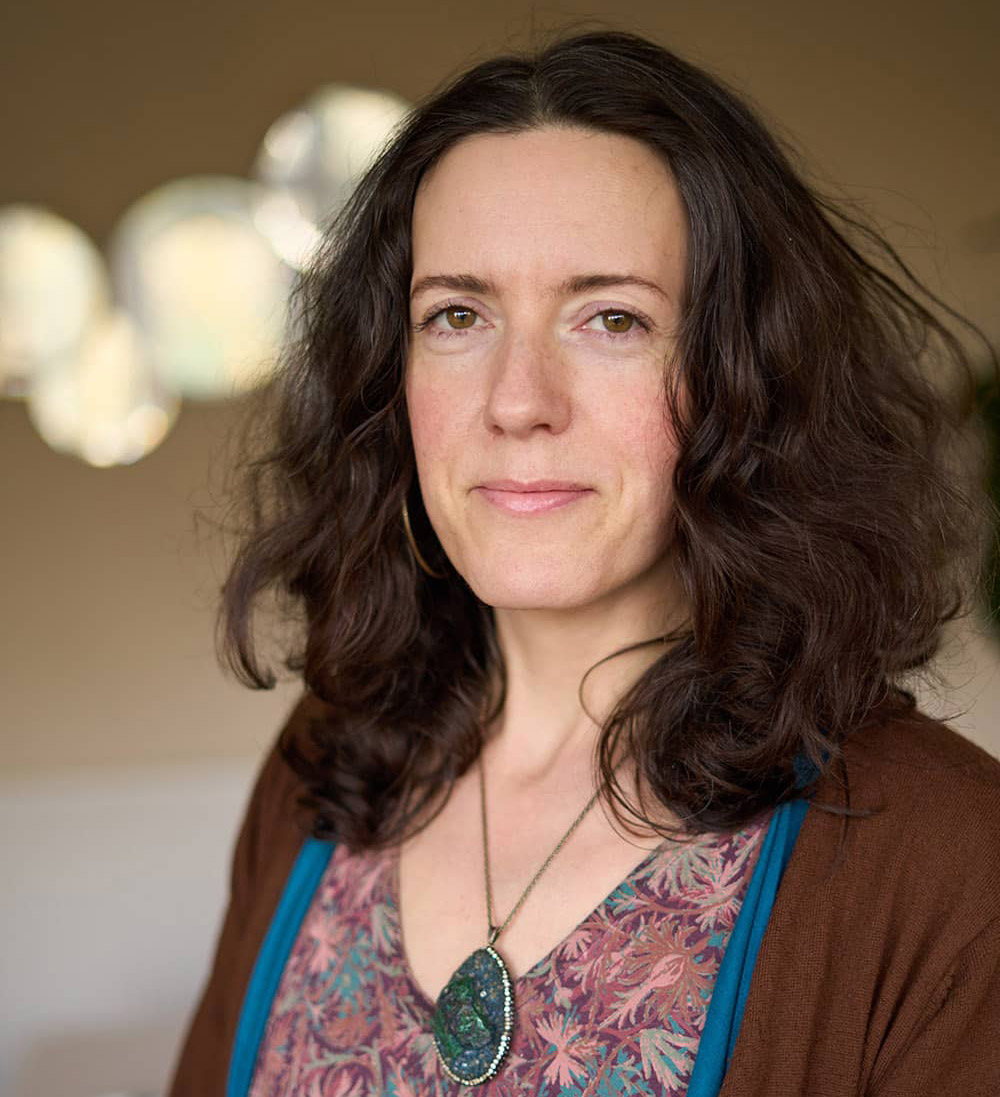
Sarah Taylor

Psychotherapy, coaching and training with depth

Welcome. 

I’ve been there. I’ve been in desperate times I thought I’d never escape. Alongside many years of training and clinical experience, I use my experience of healing and recovery to think about each person who comes to work with me. I’ve tried different kinds of therapy and come to know that there’s no one way that helps any one person. 

Starting psychotherapy is a big decision: it’s an investment in your own life. People usually have questions. 

Please be in touch if you’d like to talk to me. I’d like to help, if I can. We might be a good fit – or we might not, because we are all different. Either way, I will be glad to help you think about the next step for your own journey of healing and recovery, towards wholeness. 


Contact me to arrange a free initial discussion

Frequently asked
questions

What happens in the first few sessions of psychotherapy?

We would arrange an initial free-of charge consultation where I will answer your questions about my approach and what’s involved in starting inner work. If it seems that we might be a good fit, we’d arrange three initial sessions for a full and in-depth mutual assessment. In the first session, you can talk in depth about what’s on your mind and what you hope for in psychotherapy. I’ll reflect then on what you’ve shared with me and In the second session I’ll be able to describe to you a personalised offer of psychotherapy based on my understanding. You can ask questions, let me know what you reflected on in the week in between, and whatever else comes up. In the third session, having had time to consider, we can decide whether to move forwards into the suggested course of psychotherapy.

How are psychotherapy sessions booked and paid for?

It is good to know what is called the ‘frame’ of the psychotherapy which is held by any therapist you approach. In my offering, we would arrange a consistent time and day for our meetings – either once or twice a week. This time is reserved solely for you and you are responsible for payment of every allotted session time. If you’re not able to attend, I hold the space and continue the work in your absence. I don’t offer psychotherapy that is less consistent: there are forms of therapy and emotional support which work very well with more random or infrequent meetings, but that is not what I offer.

Relational psychotherapy means offering a very particular kind of relationship, and the work and effect of the work goes on over time – both in and outside of sessions. The physical presence and verbal connection we have during sessions that are attended by us both are important: however, what happens in absence is equally important for the work and often even more so. On this basis, all sessions are charged for unless I am taking time out for my own rest and nourishment – for which I give a lot of notice wherever possible. 

Cognitive neuroscience tells us that at least 90% of what drives uour behaviour and emotions is unconscious (literally – we are not aware of it) and so it can be hard to understand why we do things in ways that cause us suffering. In depth psychotherapy, the aim is to be a ‘detective’ about our unconscious minds – to find out what is going on when we want to change something and can’t change, or experience indescribable or painful symptoms. If we can understand these more unconscious processes then we can change and take better care of ourselves. However, human beings have defences which need to relax if we are to allow these internal processes to be discovered in psychotherapy.

I believe (in line with most analytically-oriented psychotherapists) that consistency and predictability from both you and me are needed for this relaxation of defences to occur and for something new to happen. For a perhaps more poetic illustration – watch the movie Inception! If the meetings are not consistent, there is often too much space for these unconscious processes to ‘hide’ – the consistency of our frame is not supposed to be rigid or controlling: it is a tool which helps us both see the unconscious landscape more clearly. As the artist Abbas Kiorastami says: “I’ve often noticed that we are not able to look at what we have in front of us, unless it’s inside a frame.”

Invoices are issued on after the completion of a month’s sessions – the invoice is emailed a couple of minutes before the first session of the following month. I accept payment generally by bank transfer or cash and my standard fee is £90.


What kind of coaching do you offer?

II offer energising, interesting and effective coaching to people in senior leadership roles. My coaching sessions last for 80 minutes and my focus is on proactively clarifying internal conflicts which get in the way of what you want to do or how you want to be. I can help you get to the psychological heart of what’s happening and identify powerful and transformative practices to make it possible for you to move in your chosen direction. ShadowWorkTM archetypes are a very powerful tool which I use often in coaching.  

What is ShadowWork™?

I recommend you look at this website. ShadowWork™ is a powerful brief intervention aimed at helping you move through stuck places and apparently entrenched patterns of behaviour. ShadowWork™ has become a commonplace term, so it may be helpful to know that ShadowWork™ Europe is a collective of practitioners who train for many years to obtain certification.

Can I bring you into my company for organisational development work?

I’ve worked in many professional settings as a coach, facilitator and trainer. I love this work and the great challenge and reward of it. Contact me and we will find out together whether or not we’re a good fit. 

I'm a psychotherapist in private practice and I'm looking for colleagues. Any options for me?

Wonderful. We have a slowly building community of psychotherapists who meet to share books, ideas, challenges and theory. Please get in touch – you might like to join the nourishing year-long Community CPD group, or come along to the reading group events. I’m also offering a supervision group starting October 2025

What approach would you take if I am coming to you for psychotherapy?

 It’s unhelpful to think about this without a formal and personalised assessment first: every person is different. I can offer short term and open-ended styles of working, depending on the resources of time, money and energy you can draw on. I’m trained to offer a wide range of approaches including brief counselling, coaching and psychoanalytically-oriented relational psychotherapy. My approach to psychotherapy involves building a relationship in which we can discover parts of you that may have been hidden or repressed over time and which, if made conscious, can be integrated so that you are free-er to choose how you want to live. To do this work together we may use breath work, somatic exercises, creative methods, sand tray dreamwork and imagery. This said, often the relationship-building work of focussed therapeutic conversation is emotionally powerful and challenging enough for change to occur. We can talk more about which approach you might make best use of in the general assessment, which lasts a few sessions (see menu item ‘What happens in the first few sessions’ above). If we decide not to work together, I can offer guidance and options as well as signposting towards other professionals, groups or services for your next step.